
Track tubes
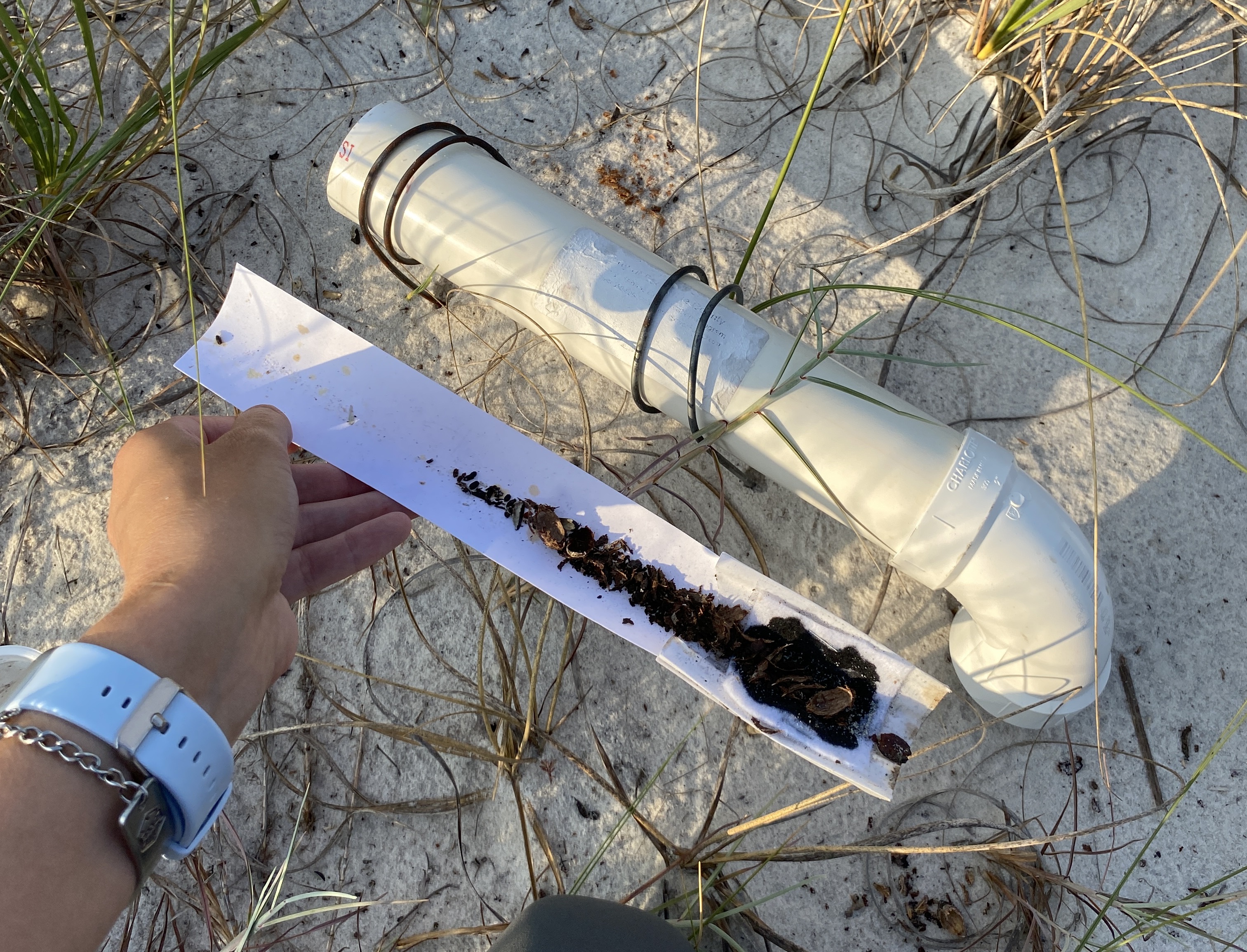
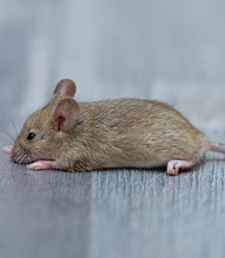
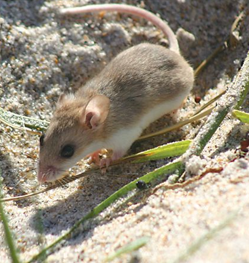
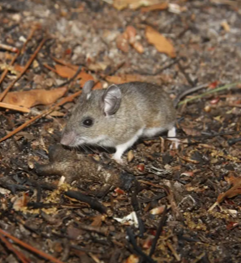
Biologists place track tubes along coastal dunes from Gulf County to Escambia County, on state, federal, and private property. A station uses a baited PVC tube lined with cardstock and an eco-friendly ink pad to record footprints. Tracks in the tube or in sand within three meters can indicate beach mouse presence. Track size helps biologists distinguish among rodent species.
Sites are checked monthly or every other month. Track tubes are noninvasive and show where mice are present and how detections change over time; they do not estimate population size. Yearly maps show the percentage of stations where tracks were detected. A significant decline can prompt the U.S. Fish and Wildlife Service to trap mice for a population estimate.